


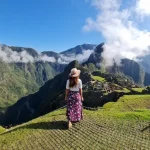











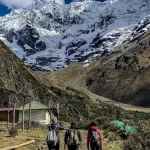

Towering high above the Urubamba River, the Pisac Inca ruins represent one of the most stunning examples of ancient engineering and mountain architecture in the Sacred Valley. While many travelers head straight to Machu Picchu, those who take the time to explore this massive archaeological site often find it just as spiritually moving and visually spectacular. The site offers a unique blend of military, religious, and agricultural history that provides a deep window into the heart of the Incan Empire.
Whether you are a solo backpacker or traveling with a group, visiting the Pisac Inca ruins is a highlight of any Peruvian adventure. In this guide, we will provide all the essential Pisac ruins information you need to plan a perfect visit, including how to get there, what to see, and how to understand the complex history behind the stones.
What are the Inca Ruins?
Before diving into the specifics of this site, it is helpful to ask: What are the Inca ruins? In short, they are the remains of the cities, temples, and fortresses built by the Inca Empire, which flourished in the Andean region of South America from the 13th century until the Spanish conquest in the 16th century.
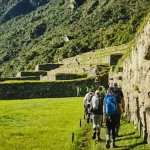
The Incas were master stonemasons and architects. They built structures without mortar, carving stones so precisely that even a knife blade cannot fit between them. Today, these sites are preserved as archaeological parks, and Pisac is widely considered one of the largest Inca ruins in the entire region, spanning a massive mountain ridge.
Pisac Ruins History: A Glimpse into the Past
The Pisac ruins history is as fascinating as the structures themselves. While exact dates are debated, historians believe the site was built by the Inca Emperor Pachacuti in the mid-15th century. It was designed to serve several vital functions:
- Defense: The site guarded the southern entrance to the Sacred Valley, protecting Cusco from potential invasions by forest-dwelling groups.
- Agriculture: The massive terraces provided a controlled environment to experiment with different crops at varying altitudes.
- Spirituality: The site contains some of the most sacred temples in the valley, used for astronomical observations and sun worship.
During the Spanish conquest, the original Inca town was destroyed, and the Spanish built the modern colonial town of Pisac at the bottom of the valley. Fortunately, the high-altitude ruins remained largely intact, allowing us to witness the grandeur of their original design today.

Exploring the Pisac Archaeological Park
The Pisac archaeological park is divided into several distinct sectors, each with its own purpose. Because the site is so large, having a basic Pisac ruins map in your mind—or on your phone—is essential for navigation.
The Temple of the Sun (Intihuatana)
The crown jewel of the site is the Intihuatana, or the “Hitching Post of the Sun.” This sacred area features polished volcanic rock and a sundial used by priests to track the movements of the sun. It is a place of incredible energy and offers a clear Pisac ruins explanation of how deeply the Incas were connected to the cosmos.
The Agricultural Terraces
As you look down the mountainside, you will see sweeping stone terraces that look like giant stairs. These were not just for decoration; they were a sophisticated irrigation system that allowed the Incas to grow corn, quinoa, and potatoes on steep slopes.
Tantana Marca: The Ancient Cemetery
The Pisac ruins explained would not be complete without mentioning Tantana Marca. Located on a steep cliff across the gorge from the main ruins, this is the largest ancient cemetery in the Americas. You can still see thousands of small holes in the cliffside where Incan mummies were once interred with their possessions.

Logistics: Fees and Access
Planning your visit requires a bit of logistical knowledge, specifically regarding the Pisac ruins entrance and associated costs.
Pisac Ruins Entrance Fee
It is important to note that you cannot buy a single ticket for just this site. To enter, you must purchase the Boleto Turístico del Cusco (Cusco Tourist Ticket).
| Ticket Type | Cost (Approx.) | Validity | Includes |
| Full Ticket | 130 PEN ($35 USD) | 10 Days | 16 sites including Pisac, Ollantaytambo, and Cusco museums. |
| Partial Ticket | 70 PEN ($19 USD) | 2 Days | Sites within the Sacred Valley (Pisac, Ollantaytambo, Chinchero, Moray). |
Finding the Pisac Ruins Entrance
The Pisac ruins entrance is located at the top of the mountain. Most travelers take a taxi from the town (about 15-20 minutes) to the upper parking lot. From there, you can walk through the various sectors and hike your way back down to the town.
Tips for Visiting the Pisac Inca Ruins
- Go Early: To avoid the crowds and the midday sun, aim to arrive by 8:00 AM.
- Bring Water and Snacks: There are very few vendors inside the actual archaeological park, so pack what you need.
- Sun Protection: The Andean sun is incredibly strong. Wear a hat and high-SPF sunscreen.
- Hire a Guide: To get a full Pisac ruins explanation, consider hiring a local guide at the entrance. They can point out details in the stonework you might otherwise miss.
- Visit the Pisac Market Afterward: After your hike, head down to the Pisac market in the town square to shop for textiles and enjoy a well-earned meal.

Conclusion
The Pisac Inca ruins are more than just a collection of old stones; they are a testament to human ingenuity and the enduring legacy of the Incan people. From the sweeping terraces to the silent mysteries of the ancient cemetery, every corner of this park tells a story. Whether you are seeking a physical challenge or a quiet moment of reflection, Pisac delivers an unforgettable experience.
By understanding the Pisac ruins history and preparing with the right logistics, you ensure that your visit is both educational and awe-inspiring. Don’t let your journey through the Sacred Valley pass by without standing atop these ancient ridges and looking out over the world the Incas built.


