




















If you are traveling through Peru’s stunning Sacred Valley, there is one stop you simply cannot miss: the Pisac Archaeological Park. While Machu Picchu often steals the spotlight, Pisac offers an equally breathtaking experience with fewer crowds and spectacular mountain views. Perched high above the colonial town of Pisac, these extensive Inca ruins are a masterpiece of engineering, featuring sweeping agricultural terraces and ancient temples that seem to cling to the cliffside.
Whether you are a history buff, an avid hiker, or a photographer chasing the perfect shot, this guide covers everything you need to know—from the Pisac ruins history to practical tips on how to visit.
A Journey Through Time: Pisac Ruins History
To truly appreciate the site, it helps to understand a bit of Pisac archaeological park history. Historians believe the site was constructed during the reign of the Inca Emperor Pachacutec in the 15th century. Unlike a simple military outpost, Pisac was a multi-functional royal estate that combined military, religious, and agricultural roles.
From Fortress to Farm
The name “Pisac” is derived from the Quechua word P’isaqa, meaning partridge. Legend has it that the layout of the complex was designed to resemble the shape of the bird.
The site served a strategic purpose, guarding the southern entrance to the Sacred Valley and protecting the capital, Cusco, from potential invaders from the Amazon rainforest. However, it was also a ceremonial center and a vital agricultural hub. The massive terracing you see today was not just for preventing erosion; it allowed the Incas to grow crops at high altitudes, feeding the empire’s elite.


Planning Your Visit: Pisac Ruins Entrance Fee & Hours
Before you trek up the mountain, you need to know how to get in. There is no individual ticket just for Pisac; entry is controlled via the famous “Boleto Turístico” (Cusco Tourist Ticket).
Pisac Archaeological Park Tickets
You have two main options for the Pisac ruins entrance fee, depending on your travel plans. You can purchase these tickets at the entrance of the site or at the COSITUC office in Cusco.
| Ticket Type | Price (approx.) | Validity | What’s Included |
| Full Circuit (Integral) | S/ 130 (approx. $35 USD) | 10 Days | Pisac, Ollantaytambo, Sacsayhuaman, Moray, and 12 other sites. |
| Partial Circuit III | S/ 70 (approx. $19 USD) | 2 Days | Pisac Archaeological Park, Ollantaytambo, Chinchero, and Moray. |
Note: Prices are subject to change, so always carry a bit of extra cash (Soles) just in case.
Pisac Ruins Opening Hours
The official Pisac ruins opening hours are from 7:00 AM to 5:00 PM daily.
- Pro Tip: Arrive right at 7:00 AM. The morning light over the terraces is magical for Pisac archaeological park photos, and you will beat the large tour buses that usually arrive around 10:00 AM.
Exploring the Site: What to See
The park is huge—much larger than it appears from the town below. When you look at a Pisac ruins map, you will notice the site is divided into several distinct “neighborhoods.” Here are the must-see sections:
The Terraces (Andenes)
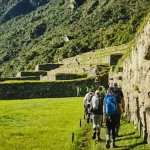
As you enter, you will be greeted by the sweeping Andenes Acchapata. These vast agricultural terraces curve around the mountainside in perfect symmetry. They are an engineering marvel, creating microclimates that allowed the Incas to cultivate different crops at varying altitudes.
The Intihuatana (Sun Temple)
A moderate walk from the main entrance leads you to the Temple of the Sun. Here lies the Intihuatana (Hitching Post of the Sun), a carved rock used to track the sun’s movement and determine the solstices. This area boasts some of the finest stonework in the valley, rivaling that of Cusco’s Koricancha.
Q’allaqasa (The Fortress)
Perched at one of the highest points of the ridge, this sector features towers, tunnels, and steep drops. It offers one of the best vantage points for panoramic views of the Sacred Valley and the Vilcanota River below.

Getting There: Taxi vs. Pisac Ruins Hike
You have two primary ways to reach the top.
The Relaxed Option: Taxi
You can take a taxi from Pisac town to the ruins entrance. It takes about 20 minutes and costs roughly 25-30 Soles. This is the best option if you want to save your energy for exploring the vast ruins themselves.
The Adventurous Option: Pisac Ruins Hike
For those who love a challenge, the Pisac ruins hike is a rewarding experience.
- Route: The trail begins near the Plaza de Armas in Pisac town.
- Difficulty: Moderate to steep.
- Duration: 1.5 to 2 hours going up; 45 minutes to 1 hour coming down.
Recommendation: The best way to see the site is to take a taxi up to the main entrance, explore the ruins at your own pace, and then hike down the back trail into town. This allows you to enjoy the scenery without the grueling uphill climb at high altitude.
Beyond the Ruins: The Pisac Market
After your visit to the archaeological park, you will likely end up back in the town square. This is the home of the world-famous Pisac market.
Historically, this market was a place for local communities to barter goods. Today, it is a vibrant hub for travelers to buy alpaca wool sweaters, silver jewelry, and colorful textiles.
- Market Days: The market is open every day, but Sundays, Tuesdays, and Thursdays are the busiest and most traditional days.
- Haggling: It is expected and part of the fun! Always negotiate the price politely.

Pisac vs. Ollantaytambo Archaeological Site
Travelers often ask which site is better. The truth is, they are very different, and you should try to visit both.
- Pisac: Larger, more spread out, and focuses heavily on agricultural terraces and mountain views. It feels more like a hike through nature.
- Ollantaytambo Archaeological Site: This site is a fortress with massive stone monoliths and is located directly above a living Inca town. It is steeper but more compact.
If you have the Partial Tourist Ticket (Circuit III), both sites are included, so you don’t have to choose!
Top Tips for Your Visit
To ensure you have the best experience possible, keep these tips in mind:
- Acclimatize First: Pisac is located at roughly 3,300 meters (10,800 ft). Spend a day or two in Cusco or the lower parts of the Sacred Valley before attempting the hike.
- Bring Water and Sunscreen: The sun in the Andes is incredibly strong, even when it feels cool. There is very little shade at the ruins.
- Download Offline Maps: Cell signal can be spotty. Downloading a Pisac archaeological park map on Google Maps or Maps.me ensures you don’t miss the path down to town.
- Wear Grip Shoes: If you plan to hike down, the stones can be slippery, especially during the rainy season (November to March).
- Hire a Guide: To fully understand the Pisac archaeological park history, hire a local guide at the entrance. Their stories bring the stones to life.
Frequently Asked Questions (FAQ)
1. Can I buy a ticket just for Pisac Ruins?
No, you cannot buy a standalone ticket. You must purchase the Cusco Tourist Ticket (Boleto Turístico). The partial ticket (Circuit III) is the most affordable option if you are only visiting the Sacred Valley.
2. How long does it take to visit Pisac Archaeological Park?
If you take a taxi up and walk around the main sectors, allow for 1.5 to 2 hours. If you plan to hike down to the town or explore the remote sectors like the Tantana marks (cemetery), plan for 3 to 4 hours.
3. Is the Pisac ruins hike difficult?
Hiking up from the town is considered strenuous due to the steep incline and high altitude. Hiking down from the ruins to the town is moderate and accessible for most people with average fitness.
4. Where are the best spots for Pisac archaeological park photos?
The best photo spot is from the Q’allaqasa towers looking down over the curved terraces. Another classic shot is from the trail leading back to town, which offers a bird’s-eye view of the modern village and the river.
5. Can I visit Pisac and Ollantaytambo in one day?
Yes! A popular itinerary is to visit Pisac in the morning (when the market is active) and head to the Ollantaytambo archaeological site in the afternoon. This is a common route for tours heading toward the train station for Machu Picchu.
Ready to explore the Sacred Valley?
Pisac is more than just a stopover; it is a destination that captures the spirit of the Andes. From the dizzying heights of the Pisac Archaeological Park to the colorful chaos of the Pisac market, this town offers a perfect blend of history and culture.


