


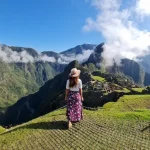

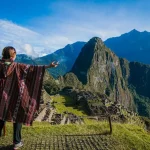










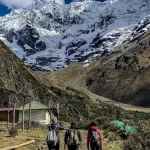


Huayna Picchu is a breathtaking destination for adventurers and history enthusiasts alike. Nestled beside the iconic Machu Picchu, it offers a unique perspective on the ancient Inca civilization.
The height of Huayna Picchu is at an impressive 2,720 meters above sea level. Its steep trails challenge even seasoned hikers, making preparation essential.
Tickets to Huayna Picchu are limited and sell out quickly. Planning ahead is crucial to secure your spot.
The hike is renowned for its panoramic views and rich history. It includes archaeological sites like the Temple of the Moon.
Safety is paramount when tackling the narrow paths and steep staircases. Proper gear and caution are advised.
Weather conditions can change rapidly, affecting trail safety. Visitors should be prepared for rain and fog.
Understanding the cultural significance of Huayna Picchu enhances the experience. It is a sacred site for the Inca civilization.
With careful planning and respect for the environment, your visit to Huayna Picchu can be both safe and unforgettable.

What is Huayna Picchu? Understanding the Iconic Peak
Huayna Picchu is the towering mountain prominently seen behind the Machu Picchu ruins. Its unique shape creates a dramatic backdrop, integral to the postcard-perfect images of this UNESCO World Heritage Site. The name Huayna Picchu, which means “Young Mountain” in Quechua, reflects its towering yet youthful silhouette.
Rising to an elevation of 2,720 meters, the peak offers some of the most breathtaking views in the Andes. Adventurers are drawn to its heights, eager to explore its challenging paths. The journey to the top isn’t for the faint of heart, rewarding those who reach the summit with unrivaled scenery.
Huayna Picchu isn’t just about the climb; it’s a site of great historical and cultural importance. Visitors can explore several archaeological treasures, including:
- The Temple of the Moon, carved into a cave within the mountain.
- Numerous terraces and stairways, demonstrating Incan engineering.
- The unique landscape that showcases the grandeur of ancient architecture.
Knowing why Huayna Picchu is special as a natural site and a historical landmark makes your visit to this impressive peak more meaningful.

Huayna Picchu History and Cultural Significance
The significance of Huayna Picchu extends beyond its natural beauty. It played a crucial role in the spiritual and ceremonial life of the Incas. The mountain are a sacred location, imbued with spiritual power and closely associated with the heavens.
Ancient paths and staircases tell the story of Incan rituals and architectural sophistication. The terraces crafted into the mountain’s face are evidence of their incredible engineering skills. Temples and sites nestled high in the mountain reveal aspects of Incan daily life and worship practices.
Huayna Picchu housed several important archaeological sites. These include:
- The Temple of the Moon, a spiritual haven.
- Sacred Plaza, with its ceremonial stones.
- Long stairways, illustrating the Incan ingenuity.
These sites emphasize its role as a place of reverence and social gathering. Exploring these historical remnants gives insight into the complex societal structures and spiritual beliefs of the Inca Empire. For modern visitors, experiencing this rich history adds depth and context to the journey up Huayna Picchu. Understanding the culture enhances one’s appreciation of this extraordinary peak.

How High is Huayna Picchu? Altitude, Terrain, and What to Expect
Huayna Picchu towers at approximately 2,720 meters (8,920 feet) above sea level. The height offers breathtaking views of Machu Picchu and the surrounding Andes. This altitude presents challenges, especially for those unaccustomed to high elevations.
The terrain is rugged and steep. It demands careful navigation. Narrow paths and slick surfaces are common, requiring hikers to stay vigilant. Some sections, like the “Stairs of Death,” are particularly challenging with their steep ascent.
Expect a mix of stone steps and dirt paths along the hike. Be prepared for:
- Steep inclines and sharp drop-offs.
- Humidity and potential rain, affecting trail conditions.
- Breathtaking panoramas and lush vegetation.
These elements combine to create a memorable but demanding hike. Visitors should acclimate properly and pace themselves to handle the altitude comfortably. Adequate preparation and awareness are key to enjoying the climb. Knowing what to expect allows hikers to experience the majesty of Huayna Picchu with confidence.

Huayna Picchu Tickets: Availability, Booking, and Entry Rules
Securing tickets for Huayna Picchu is a task that requires planning. Tickets are limited and sell out quickly. Advance purchase is highly recommended.
Typically, there are only 400 permits available each day. These are divided into two time slots. Early morning slots start at 7 a.m., while late morning slots begin at 10 a.m.
The tickets can be bought online through the official Machu Picchu website. It is crucial to book early, especially during peak season from May to September. Last-minute availability is rare.
Some key points to remember include:
- Tickets must be purchased alongside Machu Picchu entry.
- Carry your identification, as tickets are non-transferable.
- Refunds or changes are not permitted once booked.
Adhering to entry rules is important for a smooth experience. Arrive at the gate at least 30 minutes before your scheduled slot. Failure to do so may result in denied entry.
Being aware of these details helps ensure your hike to Huayna Picchu is hassle-free. Proper planning and adherence to guidelines will greatly enhance your journey.

Preparing for the Huayna Picchu Hike: Fitness, Gear, and Acclimatization
Embarking on the Huayna Picchu hike requires physical readiness. The climb is demanding, with steep, narrow paths. Good fitness levels are essential.
Training beforehand is wise. Focus on cardiovascular strength and leg endurance. Practice on inclines if possible, as these mimic trail conditions.
Gear selection plays a vital role in safety and comfort. Invest in sturdy hiking shoes with reliable grip. Carry sufficient water and light snacks to maintain energy.
Acclimatization to the altitude is crucial to prevent sickness. The peak is at 2,720 meters (8,920 feet). Arrive in the region a few days early to adjust.
Essential items to bring include:
- A lightweight backpack for essentials
- Waterproof gear in case of sudden rain
- A hat and sunscreen to protect against strong UV rays
Proper preparation elevates the hiking experience. It ensures it remains enjoyable and safe. With the right fitness, gear, and acclimatization, the climb to Huayna Picchu becomes a rewarding adventure.

The Huayna Picchu Hike: Route, Landmarks, and the “Stairs of Death”
The Huayna Picchu hike is an adventure that promises breathtaking views and historical intrigue. Starting from the Machu Picchu citadel, the trailhead marks the beginning of your ascent.
This hike is renowned for its distinct sections. The path meanders through dense cloud forests and unveils ancient Incan structures. The Temple of the Moon offers a glimpse into the rich history of the site.
One of the most exhilarating parts of the hike is the “Stairs of Death.” This section consists of steep stairs carved directly into the rock face. Although intimidating, they provide a thrilling experience and a sense of accomplishment upon completion.
Key landmarks on the hike include:
- The summit, offering panoramic views of Machu Picchu
- The Temple of the Moon, a sacred Incan site
- Various observation points with stunning vistas
The entire route takes roughly 2-3 hours round trip. This however, varies with pace and fitness. Throughout the journey, hikers are rewarded with incredible views and a profound connection to the past. The combination of natural beauty and historical context makes the Huayna Picchu hike a truly memorable experience.

Safety Tips for Climbing Huayna Picchu
Climbing Huayna Picchu requires careful preparation to ensure a safe and enjoyable experience. The trail’s steepness and high altitude demand that hikers are well-prepared both physically and mentally.
Appropriate footwear is essential. Sturdy hiking boots with good grip will help prevent slips on the rocky and uneven surfaces. The narrow paths and steep staircases can be challenging, particularly after rain when rocks become slippery.
Equipping yourself with essentials can significantly improve your safety. Bring sufficient water to stay hydrated, as the high altitude can increase thirst. Snacks with high energy content are also recommended for sustaining energy levels during the hike.
Consider these safety precautions:
- Carry a first aid kit for minor injuries
- Use trekking poles for added balance
- Pay attention to weather forecasts
Always check the weather before you set out. Conditions can change rapidly in the Andes, with fog impacting visibility and rain making paths perilous. The trail is demanding, so listen to your body and rest when needed. Following these safety tips will allow you to focus on enjoying the stunning surroundings and the historical marvels along the way.

Weather and Seasonal Considerations
Huayna Picchu can be climbed all year, but weather varies dramatically with seasons. The best time to visit is during the dry season, from May to September. During this period, you are more likely to experience clear skies and breathtaking views.
In contrast, the wet season from October to April brings frequent rain. This makes trails slippery, adding to the difficulty of the hike. However, fewer tourists during this time means a more solitary experience for those who enjoy peace.
Prepare for diverse conditions by wearing layered clothing. Here are some tips:
- Carry a rain poncho or waterproof jacket
- Protect electronics in zip-lock bags
- Use moisture-wicking materials to keep dry
Remember to always check the forecast before your hike. Being prepared for the elements enhances your experience, allowing you to focus on the trek’s beauty and significance.
Huayna Picchu Deaths and Incidents: Understanding the Risks
Safety should be a priority when hiking Huayna Picchu. The mountain is steep, with narrow paths and potentially hazardous conditions. While accidents are rare, they have occurred. It is often due to weather or lack of preparation.
Understanding the risks can help mitigate them. The trail includes the “Stairs of Death,” where caution is crucial. Make sure you are comfortable with heights and physically fit before setting out.
To reduce risks, follow these guidelines:
- Wear sturdy, non-slip footwear
- Hike during daylight hours
- Stay hydrated and pace yourself
Keeping safety in mind enables a more enjoyable and secure experience. Being prepared can ensure that your journey remains memorable for the right reasons.

Alternatives to Huayna Picchu: Other Hikes and Viewpoints
If Huayna Picchu isn’t an option, there are other remarkable hikes nearby. Each offers unique perspectives on the ancient city and surrounding mountains. Consider these alternatives to enhance your visit.
Machu Picchu Mountain is a popular choice. It provides panoramic views without the intense steepness of Huayna Picchu. It’s a longer hike but can be less crowded.
The Sun Gate, or Intipunku, is another option. It’s accessible to a wider range of hikers and offers stunning sunrise views over Machu Picchu. These alternatives ensure there’s something for every adventurer seeking to explore the breathtaking Andean landscape.

Enhancing the Experience: Guided Tours, Photography, and Cultural Insights
A guided tour can greatly enhance your visit to Huayna Picchu. Guides provide deep insights into the history and significance of the area. Their stories bring the ancient Inca civilization to life.
Photography opportunities abound on the hike. Capture breathtaking vistas and unique angles of Machu Picchu. The summit offers a particularly stunning view, perfect for those cherished photos.
Consider delving into the cultural aspects of your visit. Learning about local traditions and the mountain’s spiritual importance enriches your experience. Prioritize these activities to gain a deeper connection with the region:
- Book a knowledgeable guide
- Plan for optimal photo opportunities
- Explore cultural significance through local resources

Responsible Tourism: Preserving Huayna Picchu for Future Generations
Visiting Huayna Picchu comes with a responsibility to preserve its beauty and integrity. The site is managed by the Peruvian government. They have implemented regulations to protect it. As a visitor, observing these rules ensures the preservation of this historical treasure.
Adhering to Leave No Trace principles is vital. This means leaving the environment as you found it, minimizing your impact. By respecting both the natural setting and cultural heritage, you contribute to the site’s ongoing protection.
Key responsible tourism practices include:
- Avoid littering; pack out what you bring in.
- Stay on designated paths to limit erosion.
- Refrain from touching ancient structures.

Final Huayna Picchu Tips and Frequently Asked Questions
As you plan your hike, keep a few final tips in mind. Dress in layers for fluctuating weather and always carry a rain jacket. Avoid overpacking to remain agile on the trail.
A few commonly asked questions can guide your preparation:
- When is the best time to visit? May to September during the dry season.
- Is a guide necessary? Not required, but recommended for cultural insights.
- How can I prevent altitude sickness? Gradual acclimatization and staying hydrated help.
With these insights, you’ll be well-prepared for an enriching adventure at Huayna Picchu.


