


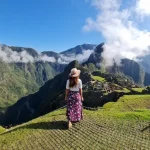

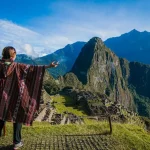


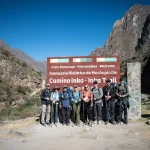
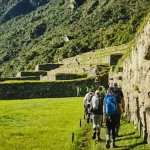








The Inca Trail is a journey like no other. Nestled in the heart of Peru, it leads adventurers to the ancient city of Machu Picchu. This iconic trek is a blend of history, culture, and breathtaking landscapes.
The trail is part of a vast network of Incan roads. These roads once connected the sprawling Inca Empire. Today, they offer a glimpse into a world long past.
Hiking the Inca Trail is a transformative experience. It challenges both body and mind. The trail’s location in the Andes provides a stunning backdrop for this adventure.
The journey begins near Ollantaytambo in the Sacred Valley. It winds through diverse ecosystems, from cloud forests to alpine tundra. Each step reveals the natural beauty of the Andean mountains.
The Inca Trail is more than just a hike. It’s a pilgrimage, reflecting the spiritual significance of the journey. The trail ends at the Sun Gate, offering the first view of Machu Picchu.
Permits are required to hike the trail. They are limited to 500 per day, including guides and porters. This ensures the preservation of this UNESCO World Heritage Site.
The best time to hike is during the dry season, from May to September. This period offers the clearest views and most comfortable trekking conditions. Prepare for an unforgettable adventure on the Inca Trail.

Where Is the Inca Trail? Understanding Its Location in Peru
The Inca Trail is one of Peru’s most celebrated treks. It draws adventurers from across the globe. But where exactly is this famed trail located?
Perched high in the Andes, the Inca Trail is in southeastern Peru. It begins near the vibrant town of Ollantaytambo. It is a site of historical and cultural importance in itself. As you traverse the trail, you’ll find yourself amid the stunning landscapes of the Sacred Valley.
Geographically, the trail stretches toward Machu Picchu. It is the legendary city of the Incas. This ancient city is shrouded in mist. It rests majestically at the end of the trail. It provides the ultimate reward for those who undertake this journey.
Key Points on the Inca Trail Location:
- Begins near Ollantaytambo in the Sacred Valley
- Stretches through diverse Andean terrains
- Ends at Machu Picchu, a UNESCO World Heritage Site
The trail’s location is integral to its allure. It offers a unique blend of natural beauty and archaeological significance. As you ascend, each peak and valley tells a story of the past.
Adventure seekers must prepare for high altitudes. The trek reaches its pinnacle at Dead Woman’s Pass, the trail’s highest point. Standing at 13,828 feet, it tests the physical limits of even seasoned trekkers.
In summary, the Inca Trail’s location is a treasure trove of history and nature. It invites exploration and reflection, connecting travelers with Peru’s rich cultural heritage.

The Inca Trail Map: Tracing the Route to Machu Picchu
The path to Machu Picchu is an intricate tapestry woven through Peru’s Andean terrain. Each bend in the trail is a piece of history. To fully understand the route, consulting an Inca Trail map is essential.
This legendary trail stretches approximately 26 miles (42 kilometers). It winds through some of the most breathtaking landscapes in the world, from cloud forests to alpine tundra. The map highlights not just the path but the journey’s transformative experience.
Key Features of the Inca Trail Map:
- Starting Point: Near Ollantaytambo in the Sacred Valley
- Highest Point: Dead Woman’s Pass (13,828 feet)
- Landmarks: Wiñay Wayna, Inti Punku (Sun Gate)
- Endpoint: The mystical city of Machu Picchu
The map reveals crucial landmarks along this historic path. Each of these sites holds secrets of the past. Wiñay Wayna and Intipata are among the revered archaeological sites that trekkers encounter.
Maps also help hikers navigate challenging terrains. As the elevation changes, so does the surrounding ecosystem. Knowing what to expect in each section aids in preparation and enhances the journey.
Permits are required to trek, and the map offers insights into checkpoints. This ensures you are on the right path while respecting the guidelines of this protected area.
Final victory comes at Inti Punku, the Sun Gate. As the map denotes, this is where trekkers first glimpse the majestic Machu Picchu. It’s an unforgettable moment etched in the memory of each visitor.
Exploring the Inca Trail with a map offers a sense of adventure and historical context. It guides adventurers through an epic journey. This journey marries the beauty of nature with the legacy of the Incan Empire.

The Geography of the Inca Trail Peru: From Sacred Valley to Sun Gate
The Inca Trail’s geography is as diverse as it is stunning. It begins in the fertile Sacred Valley, a place steeped in tradition and natural beauty. Here, the journey truly sets the stage for what lies ahead.
As the trail ascends, it weaves through the rugged terrain of the Andes. Each step reveals a new facet of this majestic mountain range. From lush forests to open grasslands, the landscape shifts with the altitude.
Geographic Highlights:
- Sacred Valley Start: Rich in history and culture
- Dead Woman’s Pass: The trail’s highest point, challenging and rewarding
- Various Climatic Zones: Including cloud forests and subalpine ecosystems
The higher reaches of the trail lie under the shadow of towering peaks. Among them, Dead Woman’s Pass stands as both a challenge and a triumph for trekkers. The altitude here presents both breathtaking views and the risk of altitude sickness.
Within these elevations, cloud forests thrive. These ecological marvels are home to diverse flora and fauna. Orchids, mosses, and endemic species create an environment of ethereal beauty.
Descending from the heights, the trail leads towards subalpine tundra. Crisp air and wide expanses provide a stark, tranquil contrast to the vibrant greenery of the lower elevations.
Finally, the journey concludes at the Sun Gate (Inti Punku). This iconic viewpoint offers the first, awe-inspiring sight of Machu Picchu. It is a fitting geographical and spiritual crescendo. It rewards the footsteps of every adventurer who dares to tread this ancient path.

Historical Context: The Inca Trail and the Incan Empire
The Inca Trail is much more than a path. It is a direct link to a bygone era. This remarkable trek was once a vital part of the vast network of roads that stitched together the Incan Empire. Each step along the trail echoes with history.
The Incan road system was an engineering marvel. It crisscrossed the Andes with efficiency. The trail we hike today is just a fraction of this expansive network. It showcases the Inca’s ingenuity and ability to conquer challenging landscapes.
Key Historical Aspects:
- Incan Engineering: Road networks across the empire
- Cultural Importance: Pilgrimage path with spiritual significance
- Strategic Routes: Connecting key cities and regions
Built in the 15th century, the trail was more than just a road. It served as a pilgrimage route for the Inca, reflecting deep cultural and religious significance. As trekkers follow this path, they are retracing steps once taken by ancient pilgrims.
Strategically, the trail linked important cities and sites within the empire. Its proximity to key locations like Cusco, the empire’s capital, highlights its importance. The Inca ensured connectivity between their central authority and distant outposts.
Walking the trail today offers insights into how the Inca conducted trade, military campaigns, and spiritual journeys. It underscores the empire’s sophistication in logistics and spiritual devotion.
Every stone tells a story of resilience and mastery over nature. Hikers who tread the Inca Trail immerse themselves in a world that celebrated both the spiritual and the practical. It stands as a living testament to the enduring legacy of the Inca civilization.
Key Landmarks and Archaeological Sites Along the Trail
Embarking on the Inca Trail isn’t just about breathtaking landscapes. It’s also a journey through time. Various landmarks along the trail paint vivid pictures of the Incan world. Each site holds unique stories waiting to unfold.
One of the first significant sites is Patallacta. This site, perched on a hill, was likely used for agricultural purposes. The views here offer a glimpse into the landscape’s past.
Continuing, trekkers reach Runkuraqay. This circular structure served as a strategic lookout post. From here, the vastness of the surrounding mountains becomes evident.
Notable Landmarks to Explore:
- Patallacta: Agricultural site with panoramic views
- Runkuraqay: Circular lookout post
- Wiñay Wayna: Terraces and religious significance
The journey continues to Wiñay Wayna, one of the trail’s most iconic sites. The name means “Forever Young” in Quechua, hinting at its timeless beauty. The terraces here are awe-inspiring. The site’s religious significance adds depth to its allure.
Intipata is another mesmerizing stop. These terraces, clinging to a steep hillside, provide a sense of the Inca’s agricultural prowess. The engineering here is truly remarkable. It showcases how they adapted to the land’s challenges.
Phuyupatamarca, often shrouded in mist, offers a mystical atmosphere. Known as “The City Above the Clouds,” it envelops trekkers in a sense of wonder. The advanced water systems here highlight the Inca’s understanding of hydraulics.
Finally, arriving at Inti Punku, or the Sun Gate, is a profoundly emotional moment. This is where trekkers catch their first stunning glimpse of Machu Picchu. It’s a reminder of the incredible journey traversed and the ancient wonders reached.
Each landmark enriches the trek, offering a profound connection to the past. These sites amplify the trail’s cultural and historical significance, making the journey unforgettable.

The Andean Ecosystems: Nature and Biodiversity on the Inca Trail
The Inca Trail is a living tapestry of ecosystems, weaving through diverse natural habitats. Hikers encounter a remarkable range of flora and fauna as they progress along the trail. Each step unveils a new environmental marvel.
Beginning in the verdant lowlands, the path meanders through lush, subtropical forests. Here, travelers may spot vibrant orchids and unusual bromeliads. The air buzzes with life, filled with the sounds of hidden wildlife.
Noteworthy Ecosystems to Discover:
- Cloud Forests: Home to diverse wildlife and unique plant species
- Alpine Tundra: Rugged terrain with hardy flora
- High Andes: Sweeping views and rare bird species
As the trail ascends, the cloud forests emerge. Mist veils the landscape, shrouding it in mystery. These ecosystems foster an array of bird species, including the stunning Andean cock-of-the-rock.
Further up, the stark beauty of the alpine tundra appears. Here, only hardy plants thrive, adapting to the harsh conditions. This transition marks the journey to higher altitudes, where the air is thin and crisp.
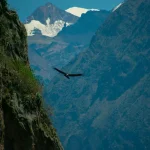
Reaching the high Andes, trekkers are rewarded with panoramic views. Condors soar overhead, embodying the untamed spirit of these peaks. The trail’s biodiversity is a testament to the wonders of nature, offering an ever-changing spectacle.
The Spiritual and Cultural Significance of the Inca Trail Location
The Inca Trail is more than just a path; it’s a deeply spiritual journey. For the Incas, every step held profound meaning, connecting them to their ancestors and the cosmos. Walking this ancient trail is stepping into a world where nature and spirituality intertwine.
Spiritual traditions linger in the air as trekkers progress through the trail. The path served as a pilgrimage route, leading to the sacred city of Machu Picchu. It was a journey of reverence and homage, reflecting the trail’s spiritual essence.
Spiritual and Cultural Highlights:
- Pilgrimage Route: A journey towards Machu Picchu’s spiritual heart
- Incan Engineering: Reflecting spiritual and practical mastery
- Ceremonial Sites: Hubs of ancient spiritual rituals
Along the way, subtle hints of cultural significance present themselves. The route passes through several ceremonial sites, once hubs of spiritual activity. These sites were places where the Incas held rituals to honor nature’s spirits and their gods.
The Inca Trail’s spiritual significance continues to resonate today. Modern-day trekkers can feel a unique connection to the past, transcending time and space. This transformative journey fosters a deeper appreciation for both the land and the cultural heritage it embodies.

Planning Your Trek: Permits, Seasons, and Practical Advice
Embarking on the Inca Trail is no simple feat. Careful planning is essential to ensure a smooth journey. Key details such as permits and timing can make or break the experience.
Permits for the Inca Trail are mandatory. They are limited to 500 per day, including guides and porters. It’s wise to secure a permit months in advance, especially during peak seasons.
Choosing the right season is crucial for an enjoyable trek. The ideal time to hike is during the dry season, from May to September. This period offers the clearest skies and best trail conditions.
Essentials to Consider:
- Permits: Book well in advance
- Best Season: Dry months (May-September)
- Tour Operator: Hire for a guided experience
Selecting a reputable tour operator is equally important. Guides provide invaluable insights into the history and culture of the region. They also handle logistics, allowing you to focus on the adventure.
Packing wisely can greatly impact your trek. Lightweight, weather-appropriate clothing and sturdy footwear are vital. Don’t forget essentials like a water purifier and high-energy snacks.
Acclimatization should not be overlooked. Spending a few days in Cusco prior to your hike helps your body adjust. A well-planned adventure promises a rewarding experience on this iconic trail.
Acclimatization and Altitude: Preparing for the High Andes
The allure of the Inca Trail comes with its challenges. Chief among them is the high altitude of the Andes. Proper acclimatization is paramount to enjoying and completing the trek.
Starting your journey in Cusco, which sits at around 11,152 feet (3,399 meters), is beneficial. Spend a few days here before heading to the trailhead. This period will help your body adjust gradually to the lower oxygen levels.
Acclimatization Tips:
- Hydration: Drink plenty of water
- Rest: Take it easy the first few days
- Diet: Eat light, high-carbohydrate meals
Altitude sickness is a potential risk if not properly acclimatized. Symptoms include headaches, dizziness, and nausea. Recognizing these early can help in managing them effectively. It’s crucial to listen to your body and not push beyond your limits.
Medicinal remedies are an option. Locals often recommend coca tea as a natural aid against altitude symptoms. Consulting with a medical professional before departure can also guide you on medications suitable for altitude adjustment. Your safety and wellbeing on the trek should always take precedence.

Essential Tips for Navigating the Inca Trail Map
Navigating the Inca Trail requires understanding its layout and key markers. The trail, approximately 26 miles long, can be divided into distinct segments. Knowing these segments helps set expectations for each trekking day.
Trail maps are vital tools for preparation. They not only depict the route but also show elevation changes. This information aids in pacing yourself across challenging sections like Dead Woman’s Pass. Knowledge of the trail’s topography contributes to a smoother journey.
Key Points on the Trail Map:
- Starting Point: Near Ollantaytambo
- Dead Woman’s Pass: Highest and most challenging section
- Wiñay Wayna: A major archaeological site before Machu Picchu
Pay attention to the distances between checkpoints. This can help in managing time and energy. Knowing where to find water sources and rest stops also allows for better planning of supply and breaks.
Guides emphasize the importance of map literacy during the pre-trek briefing. Understanding symbols and legends on the map ensures that trekkers are prepared and confident as they embark on this awe-inspiring journey through history and natural beauty.
Sustainable Trekking: Preserving the Inca Trail’s Unique Location
Preserving the Inca Trail’s unique environment is crucial for future generations. Sustainable trekking practices help protect this valuable cultural and natural heritage. Trekking companies focus on reducing environmental impact and promoting eco-friendly travel.
Trekkers can contribute by adhering to Leave No Trace principles. This includes packing out all trash and minimizing campsite disturbance. Respecting wildlife and keeping noise levels low maintains the serene atmosphere of the region. Awareness and action are key components of sustainable travel on the trail.
Key Sustainable Practices:
- Use refillable water bottles
- Stick to marked paths
- Support local eco-friendly businesses
Guides play an instrumental role by educating travelers on conservation efforts. Hikers who engage thoughtfully with these practices contribute to the preservation of the trail’s magnificent landscape. By doing so, they ensure its splendor remains untouched and inspiring for many years to come.

The Inca Trail Experience: Stories from the Path
The Inca Trail is more than a path; it is a journey through time and culture. Each step reveals stories of past empires and personal triumphs. Hikers often share encounters with local guides who offer rich insights into Incan history.
As dawn breaks, the trail comes alive with sounds and colors. Trekkers often recount the thrill of reaching the Sun Gate at sunrise, unveiling Machu Picchu in a golden glow. Such moments create memories etched in the hearts of many adventurers.
Memorable Moments on the Trail:
- Witnessing breathtaking mountain vistas
- Engaging with vibrant Andean culture
- Overcoming physical and mental challenges
Trail stories also highlight human connection. Bonds form around campfires, where people from diverse backgrounds share tales of conquest and camaraderie. These experiences deepen understanding and foster friendships that last beyond the trek.
For many, the Inca Trail is transformative. It challenges and rewards, leaving trekkers with a profound appreciation for history and nature. These tales inspire others to embark on their own adventures, seeking their own stories amidst the ancient paths of Peru.
Frequently Asked Questions About the Inca Trail Location
Curious adventurers often have many questions about the famed Inca Trail. Knowing the answers helps prepare future trekkers for the journey ahead. Here are some common inquiries answered succinctly.
One frequent question is about the best time to hike. The dry season, from May to September, offers optimal conditions. Another is the complexity of securing permits. Due to limited availability, it is advisable to book several months in advance.
Popular Inquiries:
- What is the length of the Inca Trail?
- Do I need a guide to hike the trail?
- How can I manage altitude sickness?
Understanding these aspects eases the planning process and ensures a fulfilling trek. This FAQ section aims to equip travelers with the necessary knowledge, empowering them to confidently set foot on one of the world’s most iconic trails, nestled in the heart of Peru’s awe-inspiring landscape.

Conclusion: Why the Inca Trail’s Location Inspires Adventure
The Inca Trail is more than just a path through the Peruvian Andes. It is a journey that connects adventurers with the ancient world. Each step on this revered route reveals stories of the past and celebrates the vibrant culture of the present.
The trail’s stunning location offers breathtaking panoramas and diverse ecosystems, making it a trekker’s paradise. From towering peaks to ancient ruins, the landscape tells tales of a civilization renowned for its ingenuity and spirit. This sacred journey inspires deep reflection and awe.
For many, the Inca Trail is a rite of passage, offering both challenge and enlightenment. It embodies the spirit of exploration, igniting wanderlust and leaving travelers with memories that last a lifetime. As explorers reach Machu Picchu, they achieve not just a physical triumph but also a profound connection to history and adventure.


