


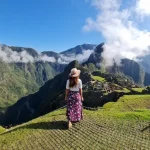

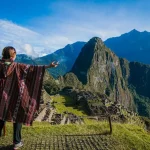







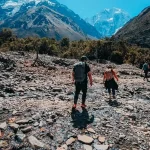
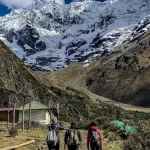


Nestled in the heart of the Peruvian Andes, the Ausangate Mountain Range stands as a beacon of natural beauty. This majestic range, crowned by the towering Ausangate Mountain, offers a breathtaking escape for adventurers and nature lovers alike.
Rising to 6,384 meters, Ausangate is the highest peak in the Vilcanota range. Its snow-capped summits and turquoise lakes create a stunning backdrop for those seeking solitude and serenity.
The Ausangate trek is a journey through time and tradition. It weaves through ancient Andean villages, where the Quechua people maintain their rich cultural heritage.
This trek is not for the faint-hearted. It challenges even seasoned hikers with its high-altitude passes and rugged terrain. Yet, the rewards are immense.
Travelers are treated to panoramic vistas of the Andean landscape. The vibrant hues of Rainbow Mountain add a splash of color to this already picturesque setting.
Wildlife enthusiasts will delight in sightings of llamas, alpacas, and the elusive Andean condor. These creatures roam freely in this pristine environment.
For those seeking a deeper connection with nature and culture, Ausangate offers an unparalleled experience. It invites you to explore its trails and uncover its secrets.

The Ausangate Mountain: An Andean Icon
Ausangate Mountain is an emblem of the Andean landscape. It is revered not just for its height but for its spiritual significance. It towers over the region, commanding respect and awe from all who witness it.
This peak is a sacred site for the local Quechua people. They regard it as “Apu,” a spirit mountain, and make annual pilgrimages to its slopes. Ausangate is more than a natural marvel; it’s a spiritual guardian for many.
Its geological wonders are equally compelling. Layers of colorful rock and glacial valleys speak of ancient earth movements and dramatic changes. The mountain offers a visual feast for geology enthusiasts.
As part of the greater Vilcanota range, Ausangate stands alongside other notable peaks. These include:
- Tres Picos
- Punta Tres Cruces
- Callangate
Each peak carries its own history and lore, adding depth to the region’s rich tapestry.
Hiking here provides a unique blend of physical challenge and cultural enlightenment. Trekkers pass by shimmering lakes, such as Sibinacocha, and perhaps witness traditional Andean ceremonies. These encounters enhance the journey’s significance.
From its spiritual roots to its awe-inspiring views, Ausangate Mountain captivates all who venture into its realm. It embodies the enduring spirit of the Andes, drawing travelers into a world where nature and culture converge.

Geography and Geology of Ausangate Peru
Ausangate Peru, part of the Vilcanota range, presents dramatic geographical features. Its elevations reach up to 6,384 meters, making it a major landmark in the Peruvian Andes. The topography is varied, with rugged peaks and deep valleys.
Glaciers crown the summit, feeding into sparkling lakes below. These lakes, including Laguna Ausangate and Laguna Pucacocha, add visual contrast against the stark, rocky landscape. The glaciers themselves are remnants of the last Ice Age, ever-shifting and sculpting the terrain.
The region showcases distinct geological formations. The vibrant layers of sedimentary rock reflect a rich geological history. They reveal centuries of earth’s movements, colored with mineral deposits that catch the sun’s light.
Key geological features include:
- Stratified sedimentary layers: indicative of ancient seas
- Glacial valleys: carved by moving ice
- Colorful mineral veins: natural palates of iron and copper
Exploring Ausangate’s geography is a journey through time and nature. Each feature tells a story of ongoing geological change, inviting observers to marvel at the earth’s power and beauty.

Cultural Significance: Ausangate in Andean Mythology
In Andean mythology, Ausangate is more than a majestic peak; it is a revered entity. It stands as a sacred Apu, a mountain deity believed to protect and bless the surrounding lands. For the indigenous Quechua people, Ausangate is central to their spiritual practices and cultural identity.
Pilgrimages to this sacred mountain occur regularly. These journeys are opportunities for worship and connection with their ancient beliefs. During ceremonies, offerings are made to honor Ausangate and seek blessings for prosperity.
Local traditions deeply entwine with the Ausangate’s cultural mystique. People celebrate its spirit through festivals that combine music, dance, and vibrant costumes. These rituals reflect a harmonious relationship between the community and nature.
The mythological significance of Ausangate includes:
- Apu Ausangate: a protective spirit of the Andes
- Annual pilgrimages: sacred journeys of devotion
- Cultural festivals: expressions of gratitude and cultural heritage
Thus, exploring Ausangate offers insights into the Andean people’s rich spiritual tradition, where nature and mythology intertwine.

Planning Your Journey: When and How to Visit
Visiting Ausangate requires thoughtful planning. The ideal travel season is from May to September when the weather is predominantly dry. This period offers clearer skies and more stable trekking conditions.
Before embarking on the trek, spending a few days in Cusco for acclimatization is essential. Cusco sits at an altitude of 3,399 meters (11,152 feet), offering a gradual adjustment to high-altitude conditions, which helps prevent altitude sickness.
Choosing between independent trekking and guided tours depends on your preference and experience. A guided tour provides logistical support and cultural insights from knowledgeable guides. However, independent trekking gives a sense of solitude and adventure.
Essential logistics include securing permits and arranging transportation to the starting point in Tinqui or other nearby villages. Many local operators offer transportation packages, ensuring a seamless journey to the trailhead.
Key considerations for planning your journey:
- Best travel time: May to September
- Acclimatization: Stay in Cusco before the trek
- Trekking options: Independent or guided tours
- Permits and transport: Plan ahead and secure logistics
Detailed planning ensures a smoother and more enjoyable Ausangate experience, allowing you to focus on the awe-inspiring landscapes and cultural immersion.

Trekking in Ausangate: Routes, Itineraries, and Highlights
Embarking on a trek in the Ausangate Mountain region promises an unforgettable adventure. With multiple routes available, each offering unique vistas and challenges, careful selection is crucial.
Typically, treks range from 5 to 7 days, depending on the chosen itinerary and pace. The journey unveils sweeping views of the Andean landscape, renowned for its snow-capped peaks and vibrant lakes.
The most common route begins at Tinqui, climbing through picturesque valleys and rugged mountain passes. Along the way, trekkers encounter traditional Andean communities, offering a glimpse into their rich cultural heritage.
One of the highlights is the ascent to Palomani Pass, the trek’s highest point at over 5,000 meters (16,404 feet). The panoramic views from here encompass the grandeur of the Peruvian Andes.
Resting spots include remote campsites with opportunities for star-gazing under the clear mountain skies. The solitude and peacefulness envelop hikers, enhancing the immersive experience.
Essential trek highlights:
- Palomani Pass: Highest point on the trek
- Alpine lakes: Stunning turquoise waters
- Traditional villages: Cultural encounters
Various operators offer customizable itineraries to suit different levels of experience and preference. Whether opting for a guided tour or an independent trek, every route ensures a unique and rewarding exploration.

Classic Ausangate Trek: Day-by-Day Experience
The classic Ausangate trek unfolds over several days, each packed with mesmerizing scenery and cultural discoveries. Typically, the trek begins from the village of Tinqui, where the journey into remote Andean beauty commences.
Day 1 involves a gentle ascent through quiet pastoral land, passing traditional stone houses and grazing alpacas. The day concludes at Upis campsite, famed for its nearby thermal springs.
Day 2 is an adventure to Arapa Pass, providing sweeping vistas of looming peaks. Trekking continues to Ausangateqocha Lake, where vibrant hues create a photographer’s paradise.
Day 3 challenges trekkers with the climb to Palomani Pass. The highest point on the trek rewards efforts with jaw-dropping views. Descending into the valley, campers find solace in the remote alcoves of Pajchanta.
Day 4 brings an encounter with the Surine Cocha, another sparkling lake surrounded by jagged peaks. The journey weaves through valleys, eventually leading to the peaceful shores of Ananta.
Day 5 dedicates itself to reaching the colorful Vinicunca, or Rainbow Mountain. This vibrant geological wonder offers a striking contrast to its mountainous backdrop.
Day 6 wraps up the trek, descending towards the return point, often tinged with nostalgia for the landscapes traversed and connections made.
Day-by-day trekking highlights:
- Upis campsite: Relaxing thermal springs
- Palomani Pass: Sublime panoramic views
- Rainbow Mountain: Unforgettable color spectacle
Each day unravels new wonders, forming a tapestry of unique experiences that leave a lasting imprint.

The Ausangate and Rainbow Mountain Connection
The Ausangate trek often converges with a visit to the famed Rainbow Mountain. Known locally as Vinicunca, this natural marvel has seen a surge in popularity for its striking colors.
The distinct layers of the mountain arise from mineral deposits, creating vibrant streaks of red, gold, and green. Positioned at over 5,000 meters (16,404 feet), the climb to its peak offers breathtaking views.
Linking a trek in Ausangate with Rainbow Mountain enhances the adventure, blending physical challenge with awe-inspiring visuals. Many itineraries incorporate a visit to Vinicunca, maximizing the experience.
Visiting the Rainbow Mountain offers key benefits:
- Geological wonder: Unique mineral coloration
- Spectacular scenery: Expansive Andean views
- Cultural insight: Interaction with local guides
Including Rainbow Mountain in an Ausangate trek provides a seamless blend of adventure, natural beauty, and cultural exploration, creating memories that will last a lifetime.

Wildlife and Natural Wonders of the Ausangate Region
The Ausangate region is a haven for wildlife enthusiasts and nature lovers. Its high-altitude environment supports diverse flora and fauna, creating a vibrant ecological tapestry.
Trekkers often encounter graceful herds of llamas and alpacas, emblematic of the region. These animals are integral to local culture, often seen grazing against the backdrop of majestic peaks.
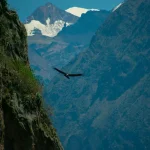
Bird watchers might spot the elusive Andean condor soaring overhead, an awe-inspiring sight. Known for its massive wingspan, this bird embodies the spirit of the Andean skies.
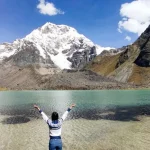
In addition to wildlife, Ausangate boasts stunning natural landscapes. Crystal-clear glacial lakes mirror the snow-capped mountains, painting serene reflections.
Key natural wonders include:
- Glacial lakes: Turquoise waters reflecting surroundings
- Andean condor: Majestic presence in the sky
- Endemic plant life: Rich high-altitude vegetation
The interplay between varied wildlife and diverse landscapes enriches the Ausangate experience, making every trek a journey through nature’s wonders.

Local Communities and Andean Life
The Ausangate region is not only rich in natural beauty but also in cultural heritage. The local Quechua communities have thrived here for generations, maintaining age-old traditions and customs.
Visitors are often greeted with genuine warmth and hospitality. Staying in a homestay offers a deep dive into Andean life, allowing for rich cultural exchanges and personal connections.
The Quechua people are known for their vibrant textiles and handicrafts. These colorful creations reflect both their artistry and their connection to the natural world.
Participating in local festivals provides insight into spiritual and cultural beliefs. Ausangate is considered sacred, and its presence is woven into community rituals and celebrations.
Key aspects of Andean life include:
- Traditional crafts: Beautiful, handmade textiles
- Community festivals: Enriching and immersive experiences
- Spiritual connections: Reverence for the mountains
Engaging with local communities adds depth to the trekking experience, offering a glimpse into the resilient spirit of the Andes.
Sustainable and Responsible Travel in Ausangate
Travelers to Ausangate must tread lightly to preserve this pristine environment. Sustainable practices enhance both the natural and cultural landscape. Responsible travel is more important than ever.
Minimizing environmental impact is crucial. Pack out all waste, staying on marked trails to protect plant life and prevent erosion. Respecting wildlife habitats ensures the rich biodiversity thrives.
Engaging with local communities creates economic support while preserving their cultural heritage. Support businesses that prioritize eco-friendly practices and respect for traditional lifestyles.
Here are a few essential practices for responsible travel:
- Leave no trace: Minimize waste
- Respect local customs: Engage respectfully
- Support local businesses: Choose eco-conscious services
Adopting these principles helps ensure that future generations can experience the untouched beauty of Ausangate. By making thoughtful choices, travelers contribute to a sustainable legacy in this magical region.

Essential Gear and Packing Tips for High-Altitude Hiking
Preparing for a trek in Ausangate requires careful packing. High-altitude conditions demand specific gear to ensure safety and comfort. Thoughtful preparation can make or break your adventure.
Layering clothing is crucial. Temperatures fluctuate dramatically, so pack moisture-wicking base layers, insulating mid-layers, and waterproof outer layers. Proper hiking boots with good ankle support are essential to handle rough terrain.
Adequate hydration is vital at altitude, so carry a reliable water purification system. You’ll need it to access clean water from natural sources, reducing the risk of altitude sickness. Be sure to also bring high-energy snacks to maintain your stamina during long hikes.
Don’t overlook these essentials to streamline your adventure:
- Sturdy boots for rugged paths
- Layered clothing for temperature changes
- Sunscreen and sunglasses to protect from UV rays
- First-aid kit in case of minor injuries
Finally, a lightweight, durable backpack will help keep your gear organized and accessible. Preparing wisely ensures a more enjoyable Ausangate experience, leaving you free to absorb the stunning landscapes around you.

Acclimatization and Health: Staying Safe at Altitude
Acclimatization is essential when trekking in Ausangate. The high-altitude environment can be challenging, with some passes reaching over 5,000 meters (16,404 feet). Proper acclimatization reduces the risk of altitude sickness, ensuring a safer journey.
Starting your journey with a few days in Cusco can aid acclimatization. This bustling city, at an altitude of 3,400 meters (11,154 feet), provides an ideal environment to adjust. During your stay, take it slow, stay hydrated, and avoid alcohol.
Recognizing symptoms of altitude sickness is crucial for safety. Headaches, nausea, and dizziness should not be ignored. To manage these risks, adhere to these guidelines:
- Ascend gradually to allow your body time to adapt
- Drink plenty of water to stay hydrated
- Rest sufficiently and don’t exert yourself initially
By following these recommendations, you enhance your odds of a successful and enjoyable trek through the awe-inspiring landscapes of the Ausangate mountain range.

Guided vs. Independent Trekking: What to Consider
Deciding between a guided trek or an independent adventure in Ausangate is pivotal. Each option offers distinct benefits and challenges. A guided trek provides ease and knowledge, while independence grants freedom and flexibility.
Guided treks often include logistics such as transport and meals, making them convenient. A local guide enriches the experience with cultural and geographical insights. This option is particularly helpful for those less familiar with high-altitude terrains.
On the other hand, independent trekking suits seasoned hikers. It allows customization of the itinerary and the ability to move at your own pace. However, this option requires thorough planning and a solid understanding of navigation.
Key points to consider:
- Experience level: Assess your trekking competence
- Comfort with navigation: Confident or in need of guidance?
- Desire for immersion: Prefer structured tours or solo exploration?
Each choice comes with its own merits and is dependent on personal preferences and experience levels.

Costs, Permits, and Practical Logistics
Embarking on a trek in Ausangate involves several logistical considerations. Understanding costs, permits, and overall planning is crucial for a seamless adventure. Proper preparation enhances the experience and ensures you adhere to local regulations.
Permits are not formally required for the Ausangate trek itself. However, there may be fees for visiting specific sites like Rainbow Mountain. Check with local authorities or your tour operator for current guidelines.
Budgeting for your trip involves accounting for various expenses. Here’s a basic breakdown:
- Accommodation: Prices vary from basic lodges to more comfy options.
- Guided Tour Packages: Typically include food, transport, and equipment.
- Personal Expenses: Factor in snacks, souvenirs, and tips.
Organizing transport to and from the trek’s starting point in Cusco is essential. Most trekkers opt for early transport to maximize daylight trekking hours.

Personal Reflections: A Journey Through Ausangate
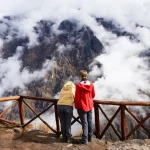
Standing at the edge of the Ausangate Mountain, you will feel the majestic allure of Peru unfold before me. Every step of the trek will be a test of your endurance and spirit. The peaceful solitude of the trail offered a rare chance to reflect amidst the breathtaking scenery.
As the sun would rise each morning, the peaks would glow with a warm, golden hue. There will be an overwhelming sense of connection to the natural world in those quiet moments. The breathtaking vistas stretched into the horizon, will remind you of nature’s vast beauty and power.
Engaging with the local Quechua communities provided a deeper understanding of Andean traditions. Sharing meals in homestays and exchanging stories will create heartfelt memories. The locals’ warmth and hospitality will leave an indelible mark on your journey.
The Ausangate trek is more than a hike; it’s a transformative experience. It challenges both body and soul, leaving you with a profound appreciation for the world’s rugged and sacred landscapes.
Conclusion: Why Ausangate Should Be on Your Adventure List
Ausangate offers an unparalleled adventure for those seeking something extraordinary. Its serene beauty coupled with challenging treks make it a must-visit for avid hikers. The diverse landscapes, ranging from vibrant lakes to towering snow-capped peaks, promise awe-inspiring views at every turn.
Cultural encounters enrich the experience. Engaging with the local Quechua people provides insights into traditions deeply rooted in the Andean mountains. Their stories and vibrant way of life add depth to the breathtaking natural surroundings.
For those yearning to disconnect from daily life and immerse in nature, Ausangate is ideal. The trek isn’t just about reaching a destination. It’s about embracing a journey that offers profound personal growth, making it an unforgettable chapter in any traveler’s adventure collection. Consider adding this magnificent trail to your wanderlust-driven itinerary.


