







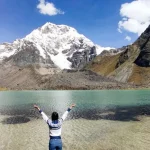


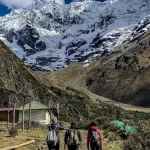


Rainbow Mountain, or Vinicunca, is a natural wonder in Peru. Its vibrant colors, formed by unique mineralogical composition, captivate travelers worldwide.
Yet, the mountain’s beauty is not its only defining feature. The altitude of Rainbow Mountain Peru, approximately 5,200 meters above sea level, significantly shapes the travel experience.
Understanding the impact of this high altitude is crucial for visitors. It affects the body, making the hike to the summit a challenging endeavor. Acclimatization is necessary to prevent altitude sickness and ensure a safe and enjoyable journey.
This article aims to provide a comprehensive guide to exploring the altitude of Rainbow Mountain. It will offer practical advice, highlight the significance of the mountain’s elevation, and promote sustainable tourism practices.
Whether you’re an adventure traveler, a hiking enthusiast, or a nature lover, this guide will equip you with the knowledge you need. Prepare to embark on an unforgettable journey to one of Peru’s most stunning destinations.
The Majestic Altitude of Rainbow Mountain Peru
Rainbow Mountain, known locally as Vinicunca, is one of Peru’s most spectacular sights. Nestled in the Andes, it draws visitors with its vibrant array of colors. This natural marvel results from a mineral-rich terrain creating strikingly colorful stripes.
The mountain sits among the Ausangate mountain range, rich in geological history. Millions of years of layered mineral deposits were exposed by melting ice, leading to its breathtaking hues. These include vivid reds, yellows, greens, and blues, enticing photographers and nature lovers alike.
Significantly, Rainbow Mountain holds cultural importance for the Quechua people. Their traditions and history are deeply intertwined with the land. By visiting, travelers not only witness natural beauty but also connect with Peru’s indigenous heritage.
The journey to Rainbow Mountain is an adventure in itself. Located about three hours from Cusco, the trek combines physical challenge with cultural enrichment. The varied landscapes and clear skies create a visual spectacle that’s worth the effort.

Understanding the Rainbow Mountain Height
Reaching Altitude of Rainbow Mountain Peru involves gaining significant height. At 5,200 meters, the height of Rainbow Mountain Peru can challenge even seasoned adventurers. The elevation affects both the environment and those who attempt the trek.
Thin air at high elevations makes breathing harder and can lead to altitude sickness. Symptoms include headaches, nausea, and dizziness, affecting people regardless of fitness level. Being prepared is essential for a safe and rewarding experience.
Acclimatization is key when ascending to such heights. Spending a few days in Cusco, acclimating to its 3,400-meter elevation, can help tremendously. This period allows the body to adjust to thinner air, reducing potential health risks on the hike.

The Significance of 5,200 Meters – Altitude of Rainbow Mountain Peru
The elevation of Rainbow Mountain plays a crucial role in the overall experience. At 5,200 meters, it’s nearly as high as Mount Everest’s base camp. The altitude creates both a physical and mental challenge for trekkers.
The sense of accomplishment upon reaching the summit is unparalleled. It offers a unique perspective of the Andean landscape, revealing its vastness and beauty. The high altitude not only challenges the body but also elevates the spirit of the adventure.
Preparing for the Altitude of Rainbow Mountain Peru
Preparation is vital for a successful trek to Rainbow Mountain. High elevations demand a strategic approach to avoid health issues. With careful planning, the experience can be both safe and enjoyable.
Adapting to the altitude is a priority. It’s more than just adjusting physically; mentally preparing for the challenge is crucial too. Knowing what to expect can alleviate anxiety and improve your experience.
Pack wisely to ensure comfort and safety during the hike. Essentials like high-energy snacks, water, and sun protection are a must. The right gear can make a significant difference in your performance and enjoyment.
Consider these essential items for your trek:
- Warm layers, including a hat and gloves
- Sturdy hiking boots with good grip
- Lightweight backpack for essentials
- High SPF sunscreen and sunglasses
- Reusable water bottle and electrolytes

Acclimatization Tips
Proper acclimatization helps prevent altitude sickness. Gradually ascending to higher elevations allows your body to adjust more effectively. Spending time in Cusco is an excellent way to start this process.
While in Cusco, engage in light activities that let your body adapt without overexertion. Walking tours, visiting local markets, and exploring historical sites are perfect. This way, you experience the culture while acclimating.
Hydration is crucial at high altitudes. Drinking plenty of water and considering local remedies like coca tea can be beneficial. These traditional practices have helped locals manage elevation for generations.
Health and Safety at High Elevations
Health is paramount when exploring Rainbow Mountain. Understanding how altitude affects the body helps you better protect yourself. Awareness and preparation reduce risks and enhance your adventure.
Be vigilant for symptoms of altitude sickness, including dizziness, fatigue, and shortness of breath. Resting if symptoms appear is vital. Slow your pace and drink fluids to help alleviate mild discomfort.
Consult a physician before embarking on high-altitude activities, especially if you have pre-existing health conditions. Insurance that covers such activities adds an extra layer of safety. It’s wise to take precautions for peace of mind on the trail.

The Trek to Rainbow Mountain
The trek to Rainbow Mountain is both thrilling and demanding. Covering steep inclines, it tests endurance while rewarding hikers with breathtaking vistas. The starting point is usually the village of Cusipata, making the journey an adventure right from the start.
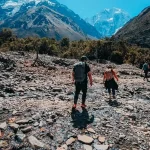
Expect to walk for several hours through rugged terrain. The challenge stems not only from the steep paths but also from the thin air at high altitudes. Proper preparation enhances the experience and ensures safety.
The path offers stunning panoramas of the Andes, creating an unforgettable backdrop. As you climb higher, the landscape becomes more vivid, and the mountain’s unique colors come into view. Witnessing this spectacle is a highlight for many trekkers.
The summit awaits those who persist, offering a sense of achievement and awe. The vivid stripes of Rainbow Mountain unfold in all their glory, showcasing nature’s brilliance. This moment embodies the journey’s reward: a profound connection with the Andean wilderness.

What to Expect on the Hike
Expect the Rainbow Mountain hike to be a day-long endeavor. Early morning departures are common to capitalize on favorable weather conditions. This timing offers a chance to see the mountain’s colors when they are most vibrant.
The trail can be busy, given the mountain’s popularity. It’s advisable to start early or consider offseason trekking for a more solitary experience. By planning ahead, you can enjoy the tranquility of the natural surroundings.
Along the way, you’ll encounter remarkable flora and fauna. Llamas and alpacas graze nearby, and the diverse wildlife adds another layer of wonder to the trek. This richness in biodiversity enhances the appeal, creating unique opportunities for photography and nature appreciation.
Sustainable Hiking Practices
Sustainable hiking is essential to preserve Rainbow Mountain. Visitors are encouraged to stay on marked paths to minimize impact on the fragile ecosystem. Every step counts in maintaining the beauty and integrity of this natural wonder.
Leaving no trace behind is a core principle of respectful travel. Carry out all waste and follow local guidelines to preserve the environment. Small actions can make a significant difference in protecting this treasured site for future generations.

Best Time to Visit and Weather Conditions
Timing your visit to Rainbow Mountain is crucial for the best experience. The dry season, from May to September, is ideal due to clearer skies and less rainfall. These months provide optimal hiking conditions with more stable weather.
During the dry season, the vibrant colors of the mountain can be seen in their true glory. Sunlight highlights the red, yellow, and green stripes, offering spectacular views and excellent photo opportunities. Morning sunlight is especially beautiful as it enhances the mountain’s hues.
Weather in the Andes can be unpredictable, so come prepared regardless of the season. Temperatures can fluctuate greatly within a single day, dropping significantly as night falls. Packing layers helps you adjust to these changing conditions and ensures comfort throughout your trek.
When to Go for the Best Experience
Visiting from May to September aligns with the dry season, reducing the risk of rain. This ensures safer trekking and clearer visibility of the mountain’s famous colors.
If possible, plan for a weekday visit. This strategy helps avoid the crowds and provides a more tranquil experience. Less foot traffic allows you to soak in the serene atmosphere and savor the mountain’s beauty peacefully.

Cultural and Ecological Significance
Rainbow Mountain holds great cultural value for the Quechua people. This striking landmark embodies centuries of tradition and spiritual importance. Visiting this site offers a unique glimpse into their rich heritage.
The area surrounding the mountain boasts diverse wildlife and rare plant species. Llamas, alpacas, and the elusive vicuñas graze these high-altitude plains. Conservation efforts are vital to maintain this precious biodiversity.
Tourism impacts Rainbow Mountain’s ecosystem significantly. Travelers must adopt sustainable practices to mitigate environmental damage. Staying on designated paths minimizes harm to native flora and fauna. Every visitor can contribute to preserving its natural beauty.
The Local Quechua Communities
The Quechua communities have lived near Rainbow Mountain for generations. They maintain a deep connection to the land, guided by ancient customs and traditions. Engaging with the local people enriches your understanding of their culture.
Visitors should show respect for these communities and their way of life. Supporting local businesses and artisans boosts their economy. Buying handmade crafts and textiles provides valuable income, fostering sustainable development.
Preserving the Delicate Ecosystem
To protect Rainbow Mountain’s fragile environment, sustainable tourism practices are essential. High-altitude areas are especially vulnerable to climate change and human activity. Ensuring minimal environmental impact is a shared responsibility.
Visitors should adhere to the “leave no trace” principle by packing out any waste. Responsible trekking helps safeguard the region’s natural and cultural treasures. Together, travelers and locals can preserve this extraordinary destination for future generations.

Conclusion: Embracing the Challenge and Beauty of Rainbow Mountain Elevation
Conquering Rainbow Mountain rewards travelers with breathtaking views and a sense of accomplishment. The 5,200-meter elevation offers a unique perspective on nature’s splendor and the Andes’ vastness. This remarkable journey is as much about personal growth as it is about reaching the peak.
Respect for the mountain and its environment enriches the travel experience. By adopting sustainable practices, visitors contribute to the preservation of this natural wonder. Embrace the challenge of hiking Rainbow Mountain, and create lasting memories that highlight the beauty and diversity of Peru’s landscapes and cultures.


