










Included
-
Pre-Departure Briefing: A thorough orientation in Cusco the evening before your trek.
-
Top-Tier Guiding: Highly qualified, first-aid trained English-speaking local guides.
-
All Ground & Rail Transport: Private pickup from your Cusco hotel, private transport to the Challacancha trailhead, and standard tourist class train from Aguas Calientes to Ollantaytambo, with private shuttle back to your Cusco hotel.
-
Luggage Support: Porters and pack horses to carry up to 7 kg (15.4 lbs) of your personal belongings in a provided duffel bag.
-
Culinary Excellence: Gourmet camp meals prepared by professional trekking chefs, utilizing fresh local ingredients.
-
High-End Gear: Clean, state-of-the-art tents or private dome cabins, plus insulated sleeping pads.
-
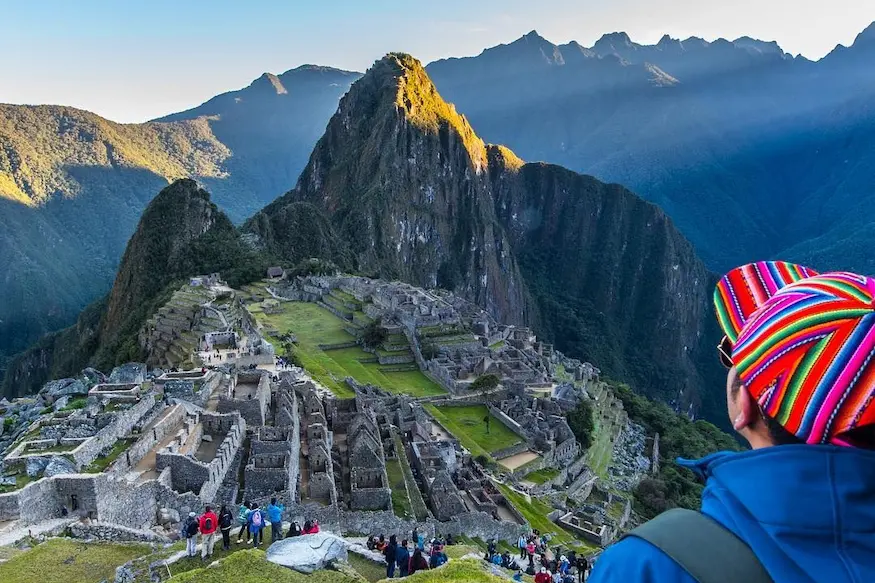
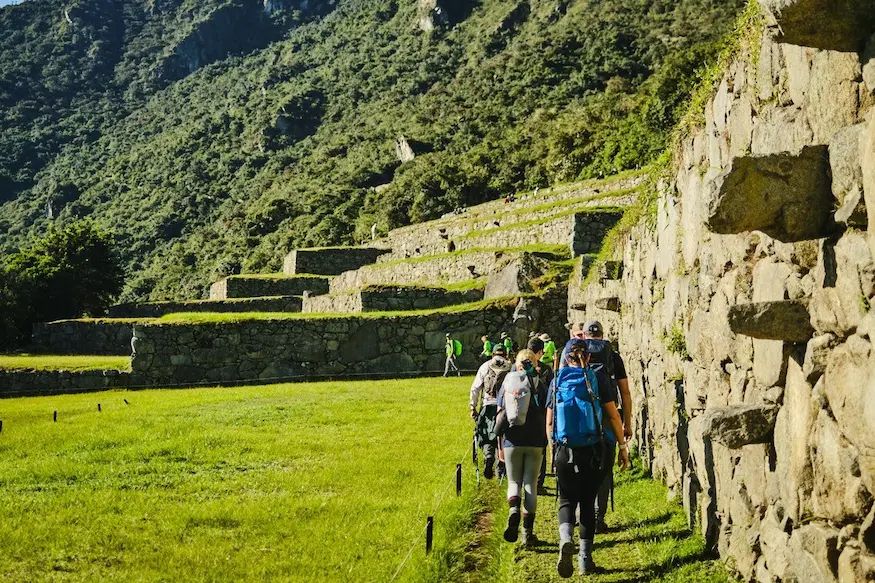
Machu Picchu Entry: Standard circuit ticket to explore the legendary archaeological site.
Not Included
-
Day 1 Breakfast & Day 4 Meals: Breakfast before departure on Day 1; lunch and dinner in Aguas Calientes on Day 4.
-
Sleeping Bag & Trekking Poles: Available for rent at affordable rates (cushioned rubber-tipped poles are mandatory to protect Incan trails).
-
Huayna Picchu or Machu Picchu Mountain permits: Optional peak climbs (must be reserved months in advance).
-
Shuttle Bus: The optional shuttle bus between Aguas Calientes and Machu Picchu on Day 4 (approx. $24 USD roundtrip, though walking is also an option).
-
Tips/Gratuities: For the hard-working chefs, horsemen, and guides.
- Documentation: Original passport (must match the one used for Machu Picchu bookings).
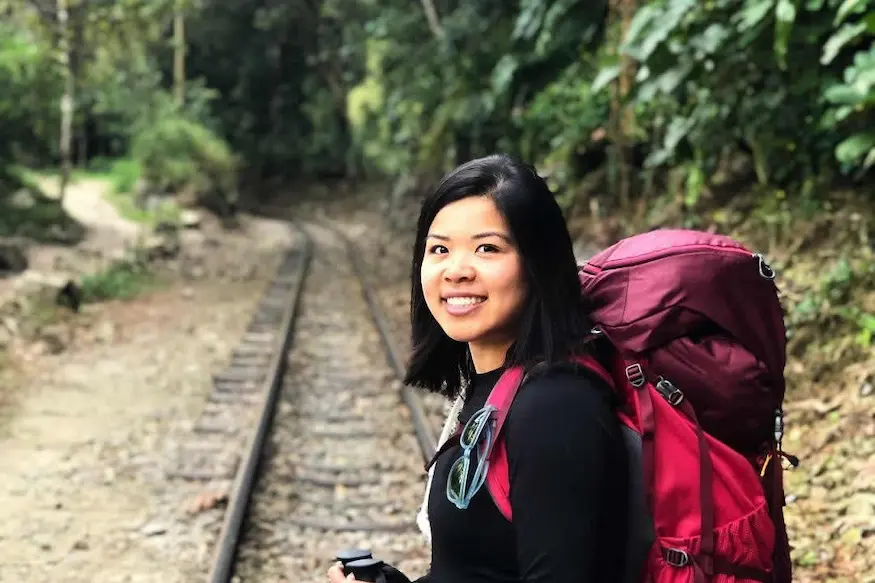
- Footwear: Sturdy, well-worn, waterproof hiking boots with excellent ankle support.
- Clothing Layers: Warm thermal base layers, a fleece or down mid-layer, breathable trekking pants, and a high-performance waterproof shell jacket.
- Sun & Insect Protection: High SPF sunscreen, UV sunglasses, a wide-brimmed hat, and strong insect repellent containing DEET (highly active in the semi-tropical cloud forest on Days 3 and 4).
- Hydration: A reusable water bottle or hydration pack (at least 2-liter capacity) to minimize plastic waste.
- Lighting & Power: A bright headlamp with extra batteries (for cold mornings and camp bathrooms) and a high-capacity portable power bank.
- Cash: Peruvian Soles (PEN) in small bills for snacks, bottled water, or tips along the trail.
-
Acclimatize in Cusco First: Plan to arrive in Cusco (3,400 m) at least 2 to 3 days prior to setting off. This minimizes the risk of soroche (altitude sickness) and ensures you enjoy the high-altitude pass.
-
Pack Smart: Keep your daypack under 5 kg (11 lbs) and let our pack horses carry your heavier gear. Your knees will thank you on the steep downhills!
-
Use Trekking Poles: The descent from Salkantay Pass drops 1,700 meters on rocky terrain. Trekking poles are essential for saving your joints.
How difficult is the 4-Day Salkantay Trek?
+
The trek is rated as Challenging. The first two days are physically demanding due to steep inclines and high altitude, especially the climb to the Salkantay Pass at 4,630 m (15,190 ft). Days 3 and 4 are much easier, shifting downhill through warm valley terrain.
How does the Salkantay Trek compare to the Classic Inca Trail?
+
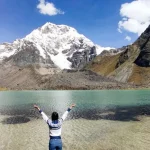
Salkantay is more scenic, rugged, and less crowded. While the classic Inca Trail focuses heavily on stone ruins, Salkantay offers dramatic geological contrasts—glaciers, turquoise lakes, and jungle valleys. Additionally, Salkantay permits do not sell out as quickly, making it a fantastic alternative.
Will I get altitude sickness, and how should I prevent it?
+
Altitude sickness can affect anyone regardless of fitness. The best prevention is acclimatization—spending a couple of days in Cusco, staying hydrated, eating light meals, and drinking local coca tea. Your guide will also carry emergency oxygen bottles.